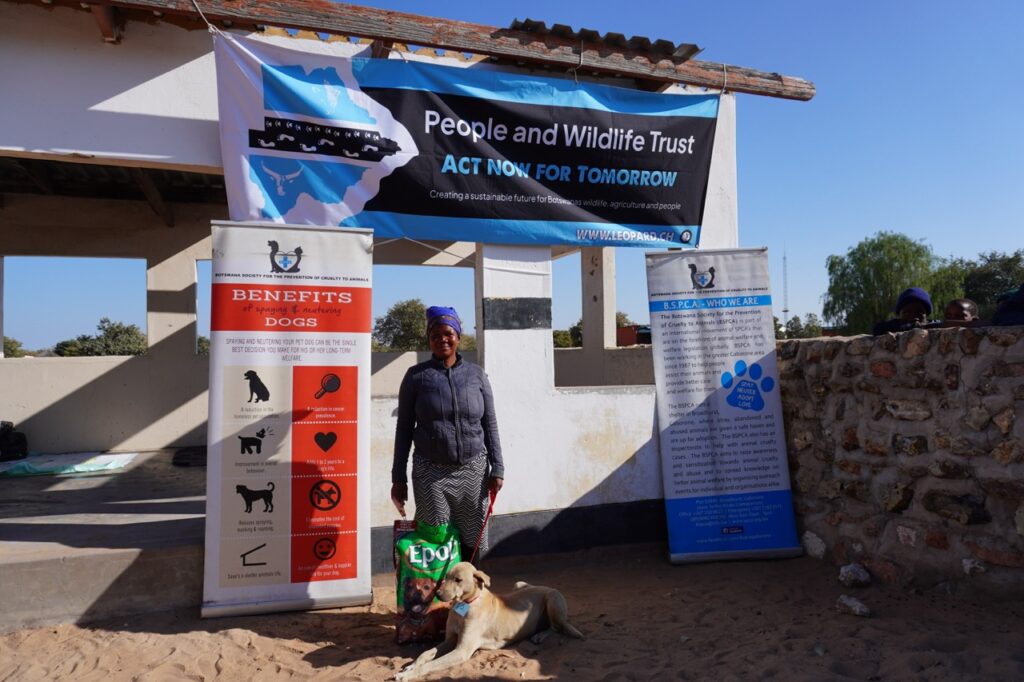
Leopard Ecology & Conservation recognises the importance of domestic animal health as a key factor in promoting coexistence between communities, their livestock, and surrounding wildlife. In partnership with the Botswana Society for the Prevention of Cruelty to Animals (BSPCA) and the Department of Veterinary Services (DVS), LEC conducts regular sterilisation and vaccination campaigns for dogs and cats in Kaudwane, neighbouring settlements, and communities located within the Central Kalahari Game Reserve (CKGR). These campaigns are designed not only to improve the welfare of the pets but also to address broader public health and conservation challenges.
The primary goals of the campaigns are threefold:
- Improve animal welfare by reducing suffering from preventable diseases and reproductive-related health issues.
- Control feral populations of dogs and cats, thereby minimising the risks of uncontrolled breeding and the spread of zoonotic diseases.
- Protect communities and wildlife by reducing the transmission of diseases such as rabies, which pose serious threats to human life, domestic animals, and wild carnivores.
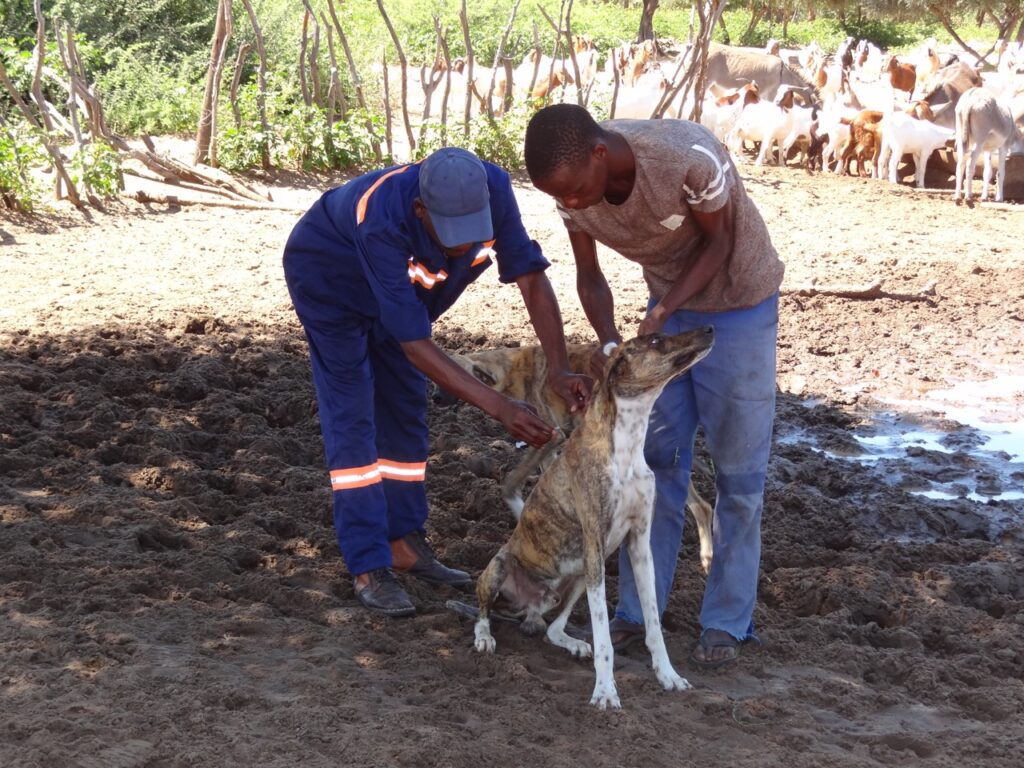
Vaccination plays a crucial role in safeguarding both pets and people. Dogs and cats are vaccinated against rabies, a fatal but entirely preventable disease, along with other life-threatening infections such as canine distemper, parvovirus, and feline respiratory diseases. By maintaining a healthy, vaccinated pet population, the risk of disease transmission between domestic animals, humans, and wildlife is significantly reduced. This is particularly important in regions like the CKGR, where domestic dogs often roam freely and interact with wild species such as jackals, hyenas, and lions, creating opportunities for disease spillover.
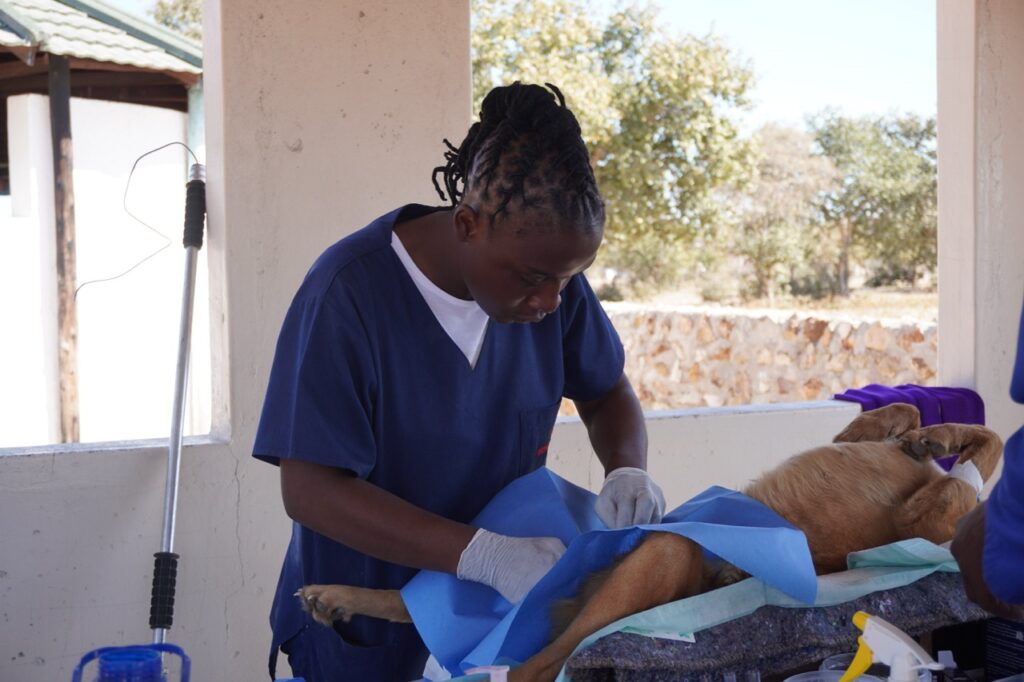
Sterilisation is equally important. Uncontrolled breeding often leads to large populations of unwanted puppies and kittens, many of which suffer from neglect, malnutrition, or abandonment. Sterilised animals not only live healthier lives but also reduce the strain on households and the community at large. In addition, sterilisation helps to prevent the spread of Canine Transmissible Venereal Tumour (CTVT), a highly contagious cancer that is common in unsterilised dog populations and can cause immense suffering. The programme goes beyond veterinary procedures by incorporating a strong educational component. Prior to the sterilization and vaccinations exercises, LEC team engage with community members to raise awareness about the benefits of sterilization and vaccination. These conversations help ensure that residents understand not only the benefits of sterilisation and vaccination but also the long-term responsibilities that come with keeping animals.