
Founded in 2018, the Community Conservation Club (CCC) is a volunteer-based initiative with six members each representing a different ward of Kaudwane village. This inclusive approach ensures that all parts of the village have a hand in participating and being informed about local conservation efforts. Acting as LEC’s extended arm within the community, the club coordinates conservation projects, habitat restoration, clean-up drives, and sustainable livelihood activities such as backyard gardening. These projects are designed not only to improve the environment but also to provide practical benefits for households, helping families adopt environmentally friendly practices that support both people and nature.
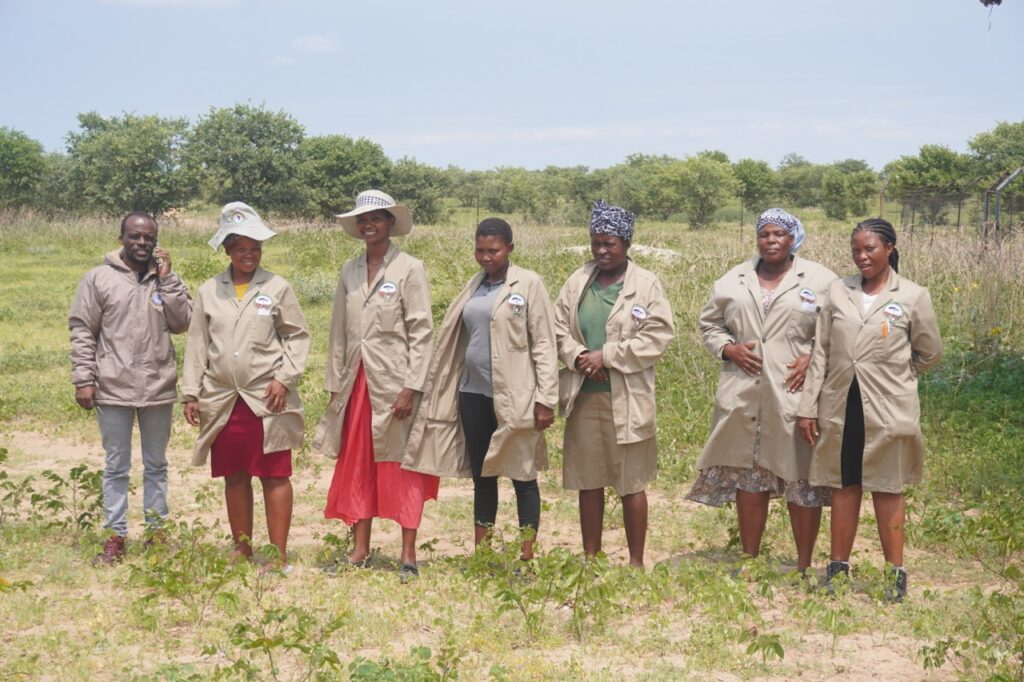
By streamlining local conservation actions, the CCC helps reduce duplication of efforts and ensures that resources – whether time, funding, or manpower – are used effectively. They also act as a communication link between LEC and the broader community, relaying information, gathering feedback, and ensuring that conservation initiatives align with community needs and aspirations. Members meet regularly to plan events, monitor progress, and address emerging challenges. They also serve as role models, encouraging broader participation from both youth and adults.
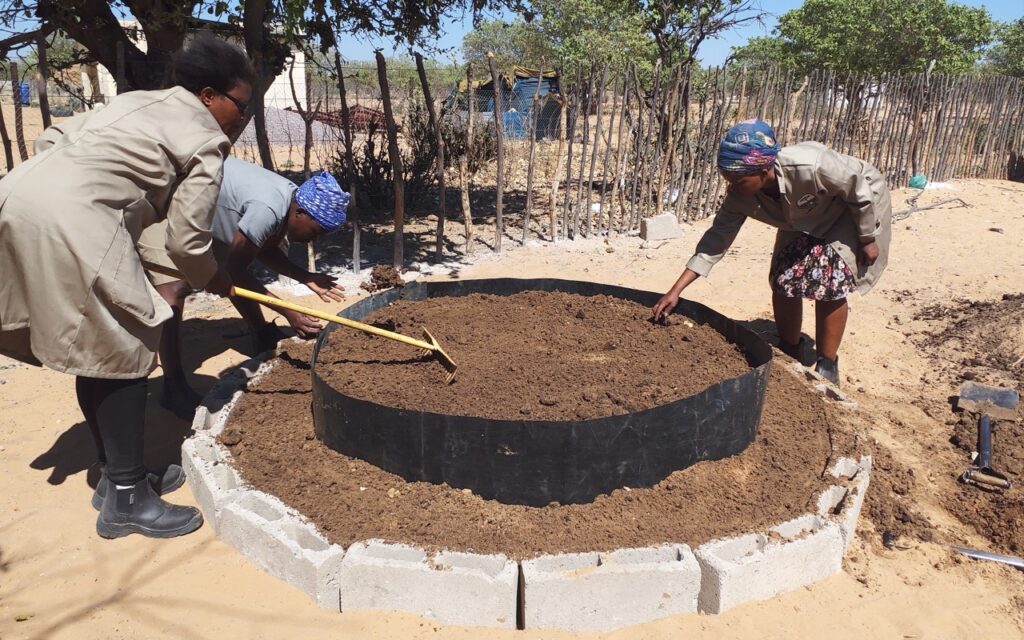
Since the club operates on a volunteer basis, LEC provides encouragement and motivation by supporting small-scale sustainable projects that benefit members directly while reinforcing conservation values. One such initiative has been the establishment of backyard gardens for all CCC members. LEC provided the initial resources – such as seeds, tools, and garden net shade – enabling members to set up their gardens and begin growing fresh vegetables.
To ensure long-term success, LEC also facilitated training in horticulture, equipping members with practical skills in soil preparation, water management, composting, and crop care. This knowledge allows them to be self-reliant and sustainable, reducing dependence on external inputs while promoting healthier diets and household food security. The gardens serve as more than just a food source; they act as demonstration sites that showcase how self-sufficiency and improved livelihoods can go hand in hand. By modeling sustainable practices, CCC members inspire other community members – especially youth and women – to try similar initiatives in their own homes.
By building these skills at the community level, the club strengthens local resilience against environmental and social challenges, ensuring that conservation is not just a project but an ongoing, collective commitment.